
St. Elizabeths Campus Microgrid, Washington, DC
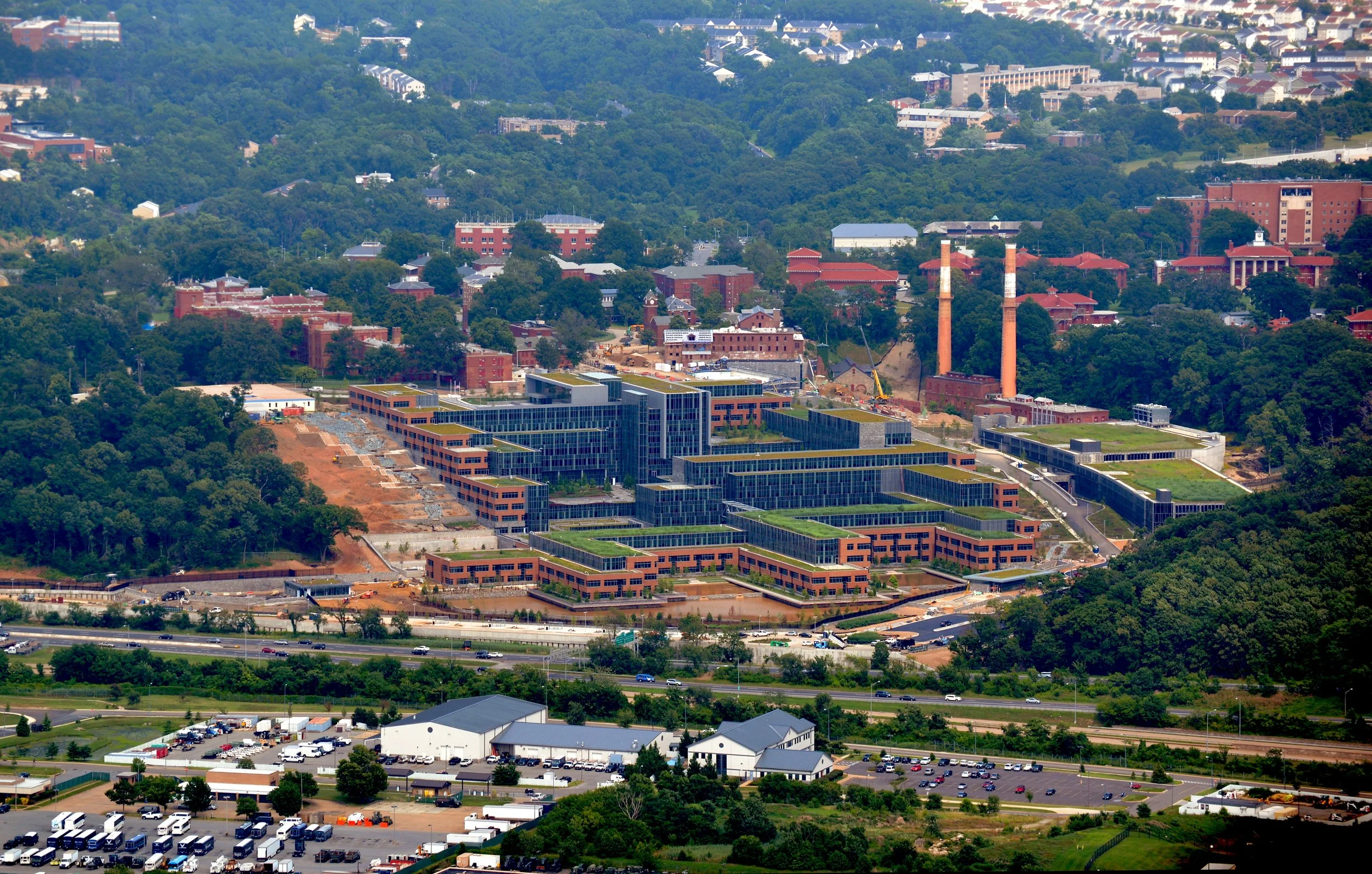
“Size:
176 Acres
Highlights:
campus-scale microgrid
National Historic Landmark ”
The St. Elizabeths campus in Southeast Washington, DC is one of the most historically significant medical institutions in the United States. The original campus pioneered more humane care for the mentally ill, treating military personnel and residents alike and later serving wounded soldiers during the Civil War. Its 19th century buildings and expansive grounds reflect the evolution of mental health treatment and hospital design over more than a century.
St. Elizabeths has grown into a sprawling institution, housing thousands of patients and becoming a model for psychiatric facilities nationwide. It is recognized as a National Historic Landmark and is listed on the National Register of Historic Places with the cultural landscape preserving the story of medical reform and social history.
The 176-acre campus is divided between the federally controlled West Campus and the District-owned East Campus. Portions of the property have been repurposed such as the Department of Homeland Security headquarters and other redevelopment projects while other areas continue to serve mental health functions.


The St. Elizabeths Microgrid project included conceptual design and engineering for a campus-scale microgrid serving the historic St. Elizabeths Campus. The system was planned to deliver resilient electrical power along with centralized thermal energy distribution hot water and chilled water to key facilities, including the Cedar Hill Regional Medical Center, the Unified Communications Center (UCC) and a designated emergency shelter. A centralized Powerhouse, strategically located near the UCC, was envisioned as the core of the microgrid to support reliability, redundancy and long-term operational resilience for these critical public facilities.
SETTY served as Prime MEP/FP Design Engineer and Program Manager under contract through the All-Hazards Consortium (AHC). The scope included establishing performance requirements for the hospital HVAC and microgrid interface, developing site plan documentation for the Powerhouse, and evaluating site conditions for electrical and four-pipe thermal distribution to the hospital, UCC and shelter. Additional services included designing a parallel microgrid approach to allow the hospital design team to advance concurrently, preparing Pepco interconnection documentation with a conceptual one-line diagram and providing overall program management and coordination through meetings and stakeholder engagement.